
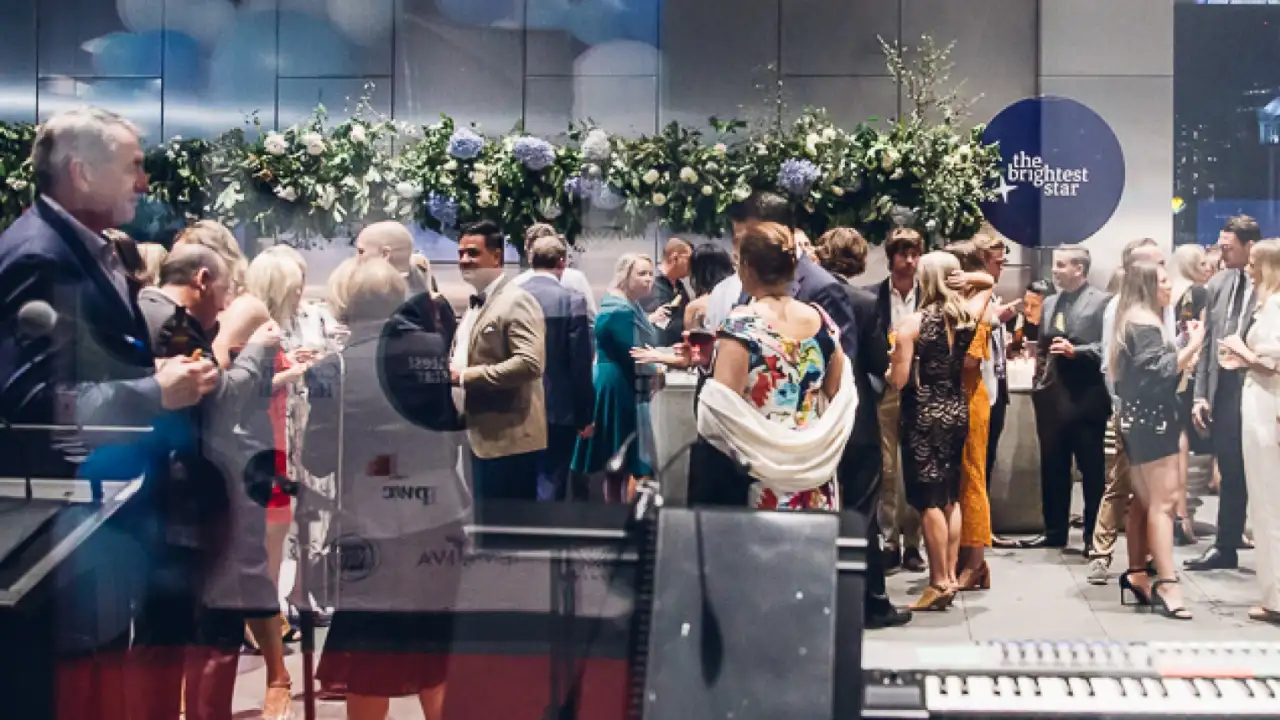
You know that feeling when you walk into a party and everything just flows? The music hits perfectly, conversations bloom naturally, and you find yourself thinking, “Wow, this just works.” It’s like the event has its own heartbeat, its own rhythm that carries everyone along.
Here’s the truth: that effortless magic didn’t happen by accident. It happened because someone sweated the details so thoroughly that the mechanics became invisible.
The Sound of Silence
One of the most underappreciated aspects of seamless events is what you don’t notice. You don’t notice the catering staff because they’ve been choreographed to refresh drinks before glasses empty. You don’t notice the temperature because it’s been adjusted three times based on crowd density. You don’t notice the schedule because transitions happen during natural energy dips.
Professional event management operates on this principle: the best work is the work nobody sees. When everything flows, people attribute it to good fortune or ideal circumstances. They don’t realize that someone anticipated seventeen different ways things could go sideways and built redundancies for each one.
Consider the last wedding you attended that felt relaxed and joyful. Chances are, there was a coordinator somewhere with a clipboard, a backup playlist, and three different solutions for the inevitable moment when Uncle Jerry’s toast runs long. The bride and groom looked carefree because someone else was carrying the mental load of contingency plans.
The Gift of Mental Freedom
The real genius of invisible planning is how it liberates guests to be fully present. When logistics are handled seamlessly, people don’t waste mental energy wondering where to sit, when to eat, or what happens next. They can focus on connection, conversation, and actually enjoying themselves.
This is why the best hosts often appear the most relaxed. They’re not actually less stressed than other hosts. They’ve just done enough advance work that they can trust their systems to function without constant supervision. They’ve built a framework that supports spontaneity rather than controlling it.
Think about birthday parties for children. The chaotic, magical ones where kids seem to be having the time of their lives? There’s usually a parent or two who has planned activities down to fifteen-minute increments, with backup entertainment for different energy levels and weather conditions. The kids experience pure joy. The adults experience controlled chaos that looks effortless from the outside.
The Confidence of Preparation
Perhaps the most noticeable thing about events that feel self-planned is the confidence they exude. Not the fake confidence of someone pretending everything’s fine while chaos reigns backstage. The real confidence that comes from thorough preparation meeting flexible thinking.
This confidence is contagious. When event staff and hosts project calm assurance, guests relax. They trust the experience. They let go of their own need to control or monitor. They surrender to the flow because the flow feels trustworthy.
That trust is earned through countless small decisions made long before anyone walks through the door. It’s earned through contingency planning, clear communication, and empowered teams who know their roles. It’s earned through respecting guests’ time, comfort, and intelligence.
The Beautiful Lie
So the next time you attend a gathering that feels magically effortless, recognize it for what it is: a beautiful, intentional lie. The event didn’t plan itself. Dozens or hundreds of decisions created the conditions for that ease.
Someone cared enough to make it look easy. And that’s perhaps the greatest gift an event can give: the illusion of effortlessness that allows real connection to flourish.
The swan keeps gliding. The feet keep paddling. And we all get to enjoy the grace of something that feels like it simply couldn’t have been any other way.
For more best ideas, visit our site daily.