
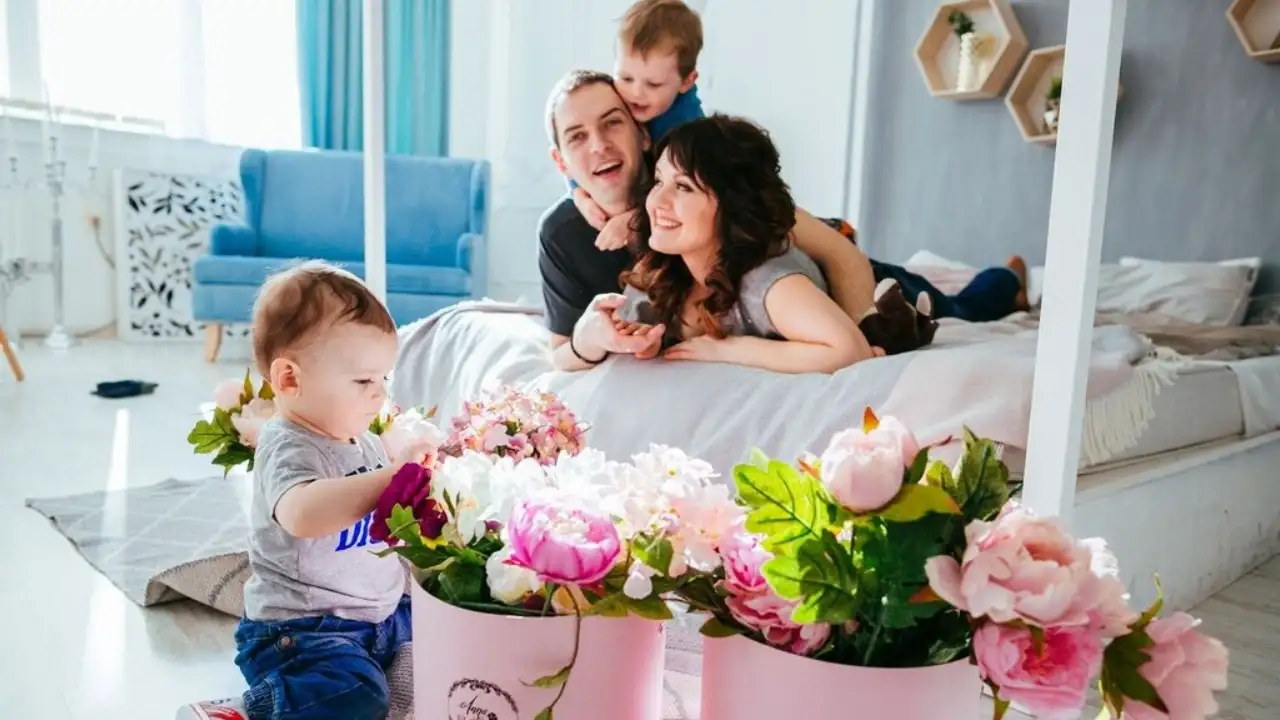
Flowers aren’t just pretty to look at, they carry stories and feelings that go way beyond their colours and shapes. Each type of flower has its own special meaning, making them a powerful way to send messages without words. Whether you’re picking a bouquet for a friend, a loved one, or even yourself, knowing what each flower symbolises can make your choice more thoughtful and meaningful.
In this blog, we’ll explore the meanings behind different flowers, helping you understand the secret language they speak and how to use that to make every bloom count.
Flower Symbolism Fundamentals — Decoding the Language of Blooms (Past Meets Present)
Grasping flower symbolism means understanding its historical roots and how meanings morph depending on who’s receiving your arrangement.
Where flower meanings actually come from (floriography then and now)
Ancient mythology assigned flowers their earliest symbolic weight. Then Victorian England transformed them into an elaborate communication code for messages polite society couldn’t speak aloud. Fast-forward to today’s social media landscape: we’re still honouring those traditions while layering on fresh interpretations.
Think Instagram-ready arrangements that respect time-tested meanings, whether it’s valentines bouquets or thoughtful mothers day flowers. Remember that symbolism shifts dramatically by geography, faith tradition, and cultural context. What signals romance in Manchester might carry a very different message elsewhere.
The three-part framework determining what flowers communicate
First layer: flower species (rose versus lily versus chrysanthemum) establishes your baseline message. Second layer: colour interpretation (red/white/yellow/purple/blue/green/black) sharpens or completely redirects that message. Third layer: situational context (event type + your relationship + recipient’s personal preferences) seals the deal. Skip any component and your heartfelt gesture risks landing sideways.
Speed-reference chart for quick flower decisions
Romantic love? Red roses or tulips. Friendship gestures? Yellow roses or sunflowers. Sympathy situations? White lilies or chrysanthemums. Celebration moments? Bright gerberas or irises. Apology scenarios? White tulips or hydrangeas. Fresh chapters? Daffodils or peonies.
Now that you’ve got the foundational architecture: species, shade, situation; you’re equipped to dive into the nitty-gritty meanings behind the most-searched, most-gifted flowers people actually buy.
Popular Flowers Decoded (The Blooms Everyone Searches For)
Every flower tells its own story. Knowing the details means choosing stems that communicate with zero ambiguity.
Roses — romance, respect, and messages that shift with every shade
Red roses broadcast passionate love. White ones symbolise purity and fresh beginnings. Pink communicates admiration. Yellow celebrates friendship and optimism. Orange suggests desire. Lavender whispers enchantment. Near-black varieties hint at farewell or edgy sophistication. Combine roses with baby’s breath, eucalyptus, or lilies to fine-tune your tone. Card message example: “You make ordinary days extraordinary.”
Lilies — sympathy, rebirth, steadfast devotion
Stargazer lilies carry different weight than calla or Asiatic types. Deploy lilies thoughtfully at memorial services, but factor in scent sensitivity for hospital deliveries or recipients with fragrance allergies. They manage to feel both elegant and emotionally grounded.
Tulips — flawless love, springtime hope, new trajectories
Red tulips proclaim perfect love. Pink varieties express affection. Yellow signals cheerful friendship. Purple represents dignity and royalty. Tulips excel for apologies and “clean slate” moments because they carry meaningful weight without the intensity roses bring.
You’ve just absorbed what each flower species symbolises on its own. But here’s the thing: colour frequently becomes the determining variable that sharpens or completely transforms your intended message. Here’s your instant decoder for every hue.
Colour Symbolism Quick Guide (Instant Reference for Any Arrangement)
Colour transforms everything, even when you’re working with identical flower types.
Red blooms — passion, bravery, profound affection
Ideal for romantic scenarios and milestone celebrations. Exercise caution with red during early-stage courtship if that intensity feels premature.
Pink blooms — fondness, appreciation, tender emotion
Perfect for birthdays, thank-yous, Mother’s Day, and developing relationships. Pink softens your message while preserving emotional warmth.
White blooms — innocence, condolence, fresh starts
Essential for weddings, memorials, and genuine apologies. Watch for cultural contexts where white primarily signals grief rather than celebration.
Yellow blooms — happiness, platonic bonds, sunny optimism
Excellent for friendship bouquets, congratulations, and “thinking about you” gestures. Yellow doesn’t mean jealousy; that’s thoroughly debunked Victorian nonsense.
Now that you command both species knowledge and colour psychology, you can engineer the perfect pairing for any life event. Let’s examine the most frequent occasions and the symbolic strategies that guarantee your gift resonates with intention.
Matching Flowers to Life’s Moments (Choose Correctly Every Time)
Aligning blooms with occasions prevents awkward miscommunications and magnifies your message.
Romance and milestone anniversaries — deliberate symbolism that avoids clichés
Select combinations matching relationship maturity: newer couples might appreciate pink roses paired with tulips, while established partners respond to orchids combined with textural greenery for complexity and staying power.
Condolences and memorial services — respectful symbolism that truly comforts
Recommended selections: white lilies, chrysanthemums, gladiolus. Consider fragrance intensity and potential allergies, plus cultural awareness around colour interpretations.
Celebrations (graduations, promotions, newborns) — symbolism that honours achievement
Sunflowers, irises, tulips, and orchids shine here. Message examples: “Incredibly proud of your journey” or “Cheers to what comes next.”
Understanding occasion-appropriate flowers gives you serious leverage, but the savviest gifters incorporate contemporary personalisation touches that most guides completely overlook. From stem mathematics to zodiac alignments, these details transform decent bouquets into genuinely personalised statements.
Contemporary Symbolism Elements Others Ignore (Cutting-Edge Personalisation)
Modern personalisation signals push symbolism past simply selecting attractive stems.
Personalisation techniques that amplify meaning (beyond the blooms themselves)
Handwritten note architecture: emotion plus specific reason plus forward-looking statement. Vase selection and ribbon shade contribute meaning too. Even tiny details broadcast thoughtfulness.
Stem quantity symbolism (1, 3, 6, 12, 24, 50, 100)
One stem declares “you’re singular.” Twelve signals “be mine.” Twenty-four conveys “yours entirely.” Stem counts aren’t arbitrary, they’re embedded messaging.
You’ve explored individual species, colour psychology, occasions, and personalisation levers, now it’s assembly time. Deploy this straightforward three-component system to design arrangements that reinforce your exact intention with every single stem.
Building Symbolically Coherent Bouquets — The Assembly Formula
Three-part construction: hero bloom plus supporting flower plus textural element. For “admiration with gratitude,” pair pink roses with alstroemeria and eucalyptus. For “fresh start apology,” unite white tulips with hydrangeas and foliage.
Symbolism errors to dodge (quick corrections)
Inappropriate colour choices muddle your message. Overly romantic combinations fall flat in professional contexts. Cultural misreads can unintentionally offend. Overwhelming fragrance exhausts recipients.
Before finalising your selection, let’s tackle the most frequent questions about flower meanings, covering cultural variations, conflicting symbolism, and practical logistics.
Wrapping Up: Your Path to Confident Flower Selection
Mastering flower symbolism elevates gifting from guesswork to intentional dialogue. You now possess the framework to match blooms with occasions, sidestep cultural complications, and construct arrangements that articulate precisely what you mean. Whether you’re celebrating, consoling, apologising, or simply brightening someone’s Tuesday, the right flowers communicate what words sometimes can’t. Choose deliberately, your message deserves to land exactly as intended.
For more informative articles, visit our site daily.
Thanks
Common Questions About Flower Meanings
What flower represents love besides the obvious rose?
Tulips symbolise perfect love, while peonies signal marital happiness and romance. Both deliver emotional depth without feeling clichéd.
Which flowers communicate apologies without romantic implications?
White tulips, hydrangeas, and pink carnations express sincere regret minus romantic overtones. They work appropriately across all relationship types.
Do yellow flowers actually mean jealousy or friendship?
Friendship and positivity, definitively. The jealousy association is outdated Victorian baggage. Yellow roses and sunflowers brilliantly celebrate platonic connections and supportive energy.