
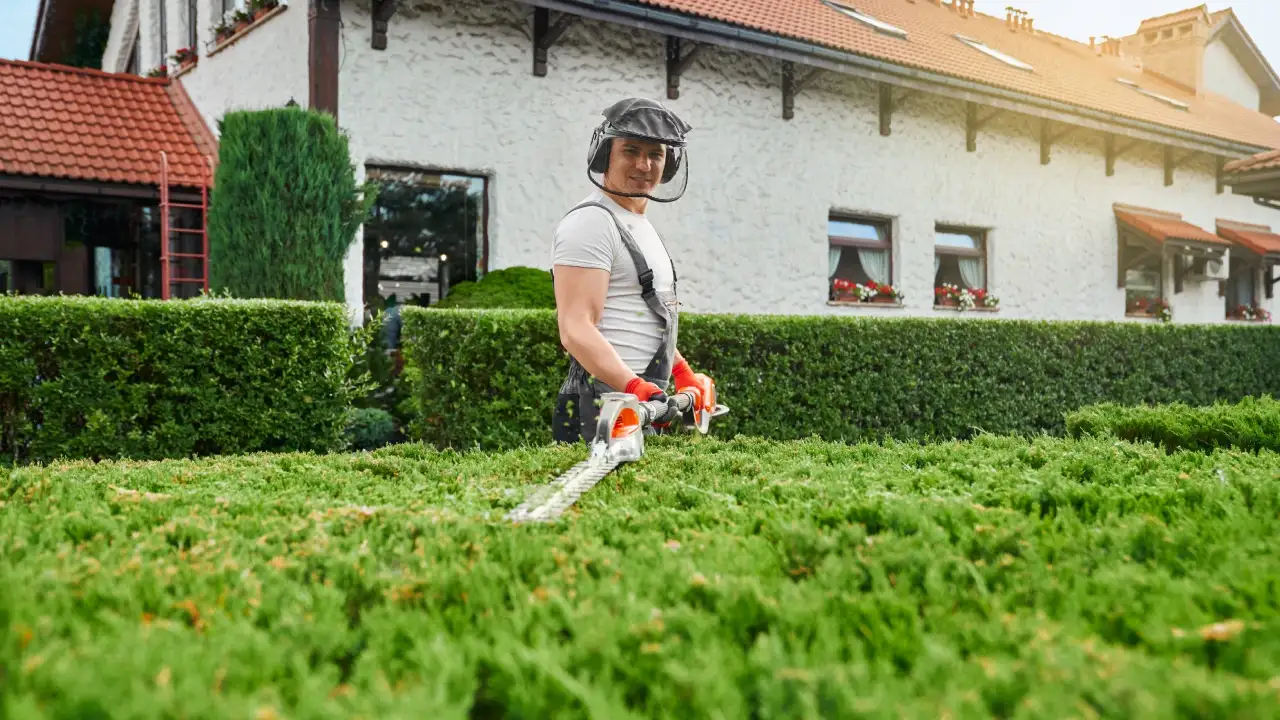
Lawn care is no longer just about keeping grass green, it is about managing resources wisely while creating an outdoor space that can thrive through changing conditions. Rising water costs, unpredictable weather, and busier schedules are pushing homeowners to rethink traditional routines that often demand more effort than necessary.
Modern strategies focus on efficiency, healthier soil, smarter watering, better plant choices, and proactive maintenance all work together to reduce long-term expenses and labor. Why spend more time and money correcting problems when a thoughtful approach can prevent them from developing in the first place? With the right practices, a resilient lawn becomes easier to maintain and better equipped to support both your property and the environment.
Rethinking the Perfect Lawn
For decades, the “perfect lawn” meant a uniformly green carpet that demanded constant watering, fertilizing, and mowing. Today, homeowners are beginning to question whether that approach is practical, especially as water costs rise and weather patterns grow less predictable. A healthier perspective focuses less on flawless appearance and more on durability and efficiency.
A lawn that can tolerate heat, resist disease, and recover quickly from stress often requires far fewer resources. In many cases, the smartest lawns are not the ones that look perfect every day, but the ones designed to thrive with minimal intervention.
This shift also reflects a broader understanding of sustainability. Instead of treating lawn care as a cycle of reacting to problems, modern strategies emphasize prevention and long-term health. Ask yourself: is it better to chase short-term color with extra fertilizer, or to cultivate deeper roots that naturally support greener growth?
When homeowners prioritize resilience, they typically reduce maintenance hours and avoid unnecessary expenses. Over time, this mindset transforms lawn care from a demanding chore into a manageable routine.
Healthy Lawns Start Underground
Strong lawns begin with soil that supports root development, moisture retention, and nutrient balance. Without healthy soil, even the most attentive care will struggle to produce consistent results. Many issues that appear above ground, thin patches, discoloration, slow growth, often originate below the surface.
Soil testing provides a clear snapshot of what your lawn actually needs, preventing the guesswork that leads to wasted products. Why apply fertilizer blindly when a simple test can point you toward precise improvements?
Aeration is another foundational practice that delivers measurable benefits. By loosening compacted soil, aeration allows water, oxygen, and nutrients to reach the roots more effectively. Adding organic matter such as compost further improves structure while supporting beneficial microorganisms that help grass absorb nutrients naturally.
Investing in soil health may not deliver instant visual rewards, but it significantly reduces future repair costs. A lawn built on strong soil requires fewer corrections and performs more reliably throughout the year.
Plant Smarter, Not Harder
Choosing the right grass type is one of the most impactful decisions a homeowner can make. Grass that aligns with local climate conditions will naturally require less water, fewer treatments, and less overall attention.
Yet many lawns struggle simply because the original selection was based on appearance rather than suitability. Why fight against your environment when you can work with it instead? Matching grass to regional temperatures and rainfall patterns creates a foundation for easier care.
Drought-tolerant varieties, for example, maintain color longer during dry periods and recover faster after stress. In some cases, homeowners are even exploring alternatives such as clover blends or native ground covers that demand less mowing and fertilization.
These options can reduce maintenance without sacrificing visual appeal. The goal is not to eliminate beauty, but to achieve it through smarter planning. When your lawn is naturally equipped to handle local conditions, every other aspect of care becomes simpler.
Adjust With the Seasons, Not Just When Problems Appear
Seasonal adjustments keep lawns resilient throughout changing conditions. Spring is an opportunity to repair winter damage, refresh soil, and prepare for active growth. Warm-season varieties such as zoysia grass often handle high temperatures better than many alternatives, but even resilient lawns benefit from thoughtful care.
Small tweaks, such as raising mowing height during hotter months, can make a meaningful difference. Why wait for visible decline when preventative steps are far easier?
Fall provides a critical window for strengthening roots, allowing grass to store energy for the following year. Even winter plays a role, offering time to plan improvements and protect dormant turf from unnecessary traffic.
Viewing lawn care as a year-round process encourages steadier results and fewer surprises. Instead of reacting to seasonal challenges, homeowners who anticipate them tend to maintain healthier landscapes with less effort.
Stop Guessing, Water the Right Way
Overwatering remains one of the most common and costly lawn care mistakes. Grass typically benefits more from deep, infrequent watering than from daily shallow sessions that encourage weak root systems. When water penetrates deeper into the soil, roots grow downward in search of moisture, making the lawn more resilient during dry spells.
Have you ever noticed how some lawns wilt quickly after a missed watering while others remain stable? Root depth often explains the difference.
Timing also plays a critical role in efficiency. Watering early in the morning reduces evaporation and ensures that moisture actually reaches the soil instead of disappearing into the air. Adjusting irrigation based on recent rainfall rather than sticking to a rigid schedule can further prevent waste.
Small changes in watering habits often produce noticeable savings on utility bills. More importantly, they support steady, healthy growth without placing unnecessary strain on natural resources.
Feed Your Lawn, But Don’t Overdo It
Fertilization works best when guided by actual need rather than routine habit. Applying nutrients at the wrong time or in excessive amounts can do more harm than good, leading to rapid growth that demands additional mowing and watering.
Slow-release fertilizers provide a steadier supply of nutrients, supporting balanced development instead of short-lived bursts of color. Would you prefer temporary results, or growth that remains consistent week after week? A measured approach typically proves more effective.
Organic options are gaining attention for their ability to improve soil structure while nourishing grass gradually. They also help support microbial activity, which plays a quiet but important role in nutrient absorption.
Overfertilizing, on the other hand, often results in wasted money and unnecessary environmental impact. Establishing a straightforward feeding schedule based on soil conditions keeps the process efficient. With the right strategy, feeding your lawn becomes a targeted effort rather than an ongoing expense.
Fix Small Problems Before They Become Expensive Ones
Early detection is one of the most powerful cost-saving strategies in lawn care. Subtle changes in color, texture, or growth rate can signal underlying issues long before they escalate.
Catching these warning signs allows homeowners to intervene with minimal effort instead of facing large-scale repairs later. Have you ever wondered why some lawns decline so quickly? Often, the initial symptoms were simply overlooked.
Encouraging biodiversity can also strengthen your lawn’s natural defenses against pests and disease. Healthy ecosystems tend to regulate themselves, reducing the need for chemical treatments. Routine inspections, especially during seasonal transitions, help ensure that small concerns remain manageable.
Consistency may not feel dramatic, but it prevents the disruptive cycle of damage and recovery. Over time, this proactive mindset preserves both your lawn and your budget.
Costly Lawn Habits You’ll Want to Break
Many homeowners follow routines simply because they have always done so. Watering on a fixed schedule regardless of weather conditions, for instance, often leads to unnecessary consumption.
Prioritizing cosmetic perfection can also drive excessive fertilizer use and create fragile growth. Is a uniformly green lawn worth the extra effort if it cannot sustain itself naturally? Shifting focus toward health usually produces better long-term outcomes.
Another common mistake is responding to problems by layering multiple products at once. This approach rarely addresses the root cause and often complicates recovery. Ignoring soil health or delaying action when early symptoms appear can further increase repair costs.
Breaking these habits does not require drastic change, just greater awareness and intention. Once outdated practices are replaced with smarter ones, lawn care becomes noticeably more efficient.
Conclusion
A greener lawn does not require constant attention, but it does benefit from informed decisions and steady care. Small adjustments, watering with intention, improving soil, mowing strategically, and planning for seasonal shifts, add up to meaningful savings while strengthening your landscape over time.
As these habits become routine, maintenance feels less demanding and results grow more consistent. Isn’t it more rewarding to rely on smart systems than on repeated fixes? When efficiency guides every step, your lawn evolves into a durable, attractive space that supports your budget, your schedule, and the long-term health of your surroundings.
For more informative articles, visit our site daily.
Thanks