
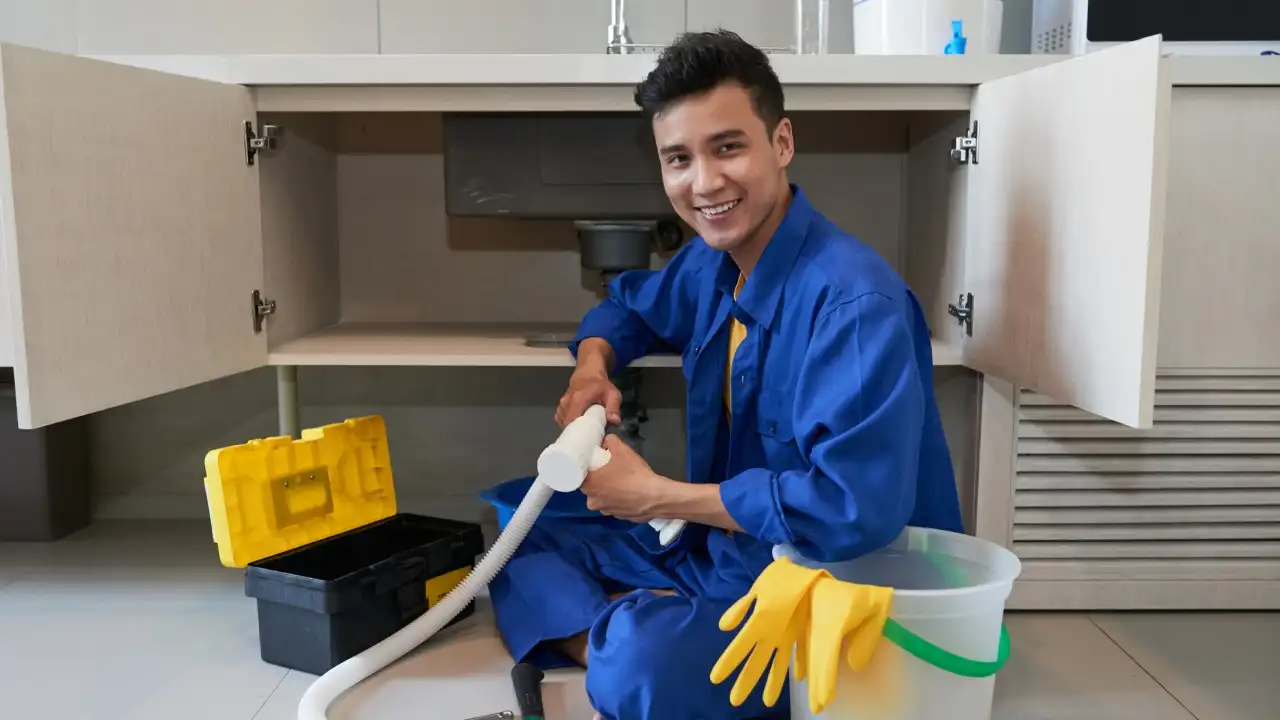
When plumbing issues emerge, finding a skilled professional can be imperative for homeowners. According to a study by the National Association of Home Builders, the average lifespan for residential plumbing systems is 40 to 80 years–suggesting that maintenance and repair are inevitable. Choosing the right expert can help ensure a smoothly functioning plumbing system for years to come.
Ensuring the problem is fixed right the first time can save both time and money. Below, we outline key questions to ask and factors to consider before hiring a professional to tackle your plumbing needs. This article serves as a guide to making an informed decision.
Assessing Plumber Qualifications and Experience
One of the primary considerations should be the plumber’s qualifications and experience. Homeowners should seek professionals who are licensed and insured, as this indicates a recognized level of proficiency and financial protection against potential damages.
Additionally, plumbers with a solid track record of experience often provide better service, since they have encountered and resolved a wide range of plumbing issues. Looking for reviews and testimonials can offer insight into their reputation and the satisfaction of past clients. A history of positive feedback is usually a good indicator of reliability and expertise.
To ascertain this information, homeowners should inquire about a plumber’s professional certifications, years in the business, and request references. It’s wise to check online reviews or seek recommendations from friends and family to supplement this inquiry. A skilled plumber can make a significant difference in quality and reliability.
Clarifying Costs and Payment Terms for Plumbing Services
Understanding the costs involved and the specific payment terms can prevent misunderstandings and budget overruns. A competent plumber will provide a clear, itemized estimate that includes materials, labor, and any additional fees.
Some may charge a flat rate for services, while others bill by the hour, and additional costs can occur for emergency calls or after-hours services. Make sure to clarify if the estimate is a fixed quote or if unforeseen complications could alter the final bill. By doing so, homeowners can avoid being caught off guard by additional expenses.
It’s advisable for homeowners to get multiple estimates to compare prices and services offered. Always request written estimates and inquire about guarantees or warranties associated with the work to be undertaken.
Understanding the Scope of Plumbing Work
Before agreeing to any plumbing work, homeowners should have a clear understanding of the project’s scope. This includes what the job entails, the extent of any repairs or installations, and how it may impact the home.
Some plumbing tasks might require structural changes or significant alterations to current systems. For instance, replacing a sewer line could involve extensive excavation, which could affect other parts of the property. Discuss these potential disruptions and understand the methodologies the plumber plans to use.
Request a detailed plan or summary of the work to be done along with expected timelines for completion. Ensure there’s a mutual understanding of the expectations for both parties involved, and don’t hesitate to ask questions if certain aspects of the job are unclear.
Evaluating Plumber Availability and Emergency Services
When confronted with a plumbing emergency, prompt service is often critical. Therefore, homeowners should inquire about a plumber’s availability and responsiveness to emergency situations.
Some plumbing services offer 24/7 emergency assistance, which can be crucial for addressing urgent issues such as burst pipes or severe leaks. Check if there is an additional charge for these rapid response services and how the waiting time for an emergency call compares to a scheduled appointment.
Before hiring, determine the typical response time for both regular service calls and emergencies. Learning how a plumber prioritizes jobs and manages their time can provide valuable insight into their level of customer service and reliability during critical scenarios.
Ultimately, taking the time to ask pertinent questions and to vet potential candidates carefully can make a significant difference in the quality of plumbing services homeowners receive. By focusing on qualifications, cost transparency, scope comprehension, and timely availability, homeowners can expect successful outcomes. This careful consideration ensures not only the resolution of immediate issues but also secures longer-term maintenance of a home’s plumbing health.
Understanding the costs involved and plumbing issues can prevent misunderstandings and budget overruns.