
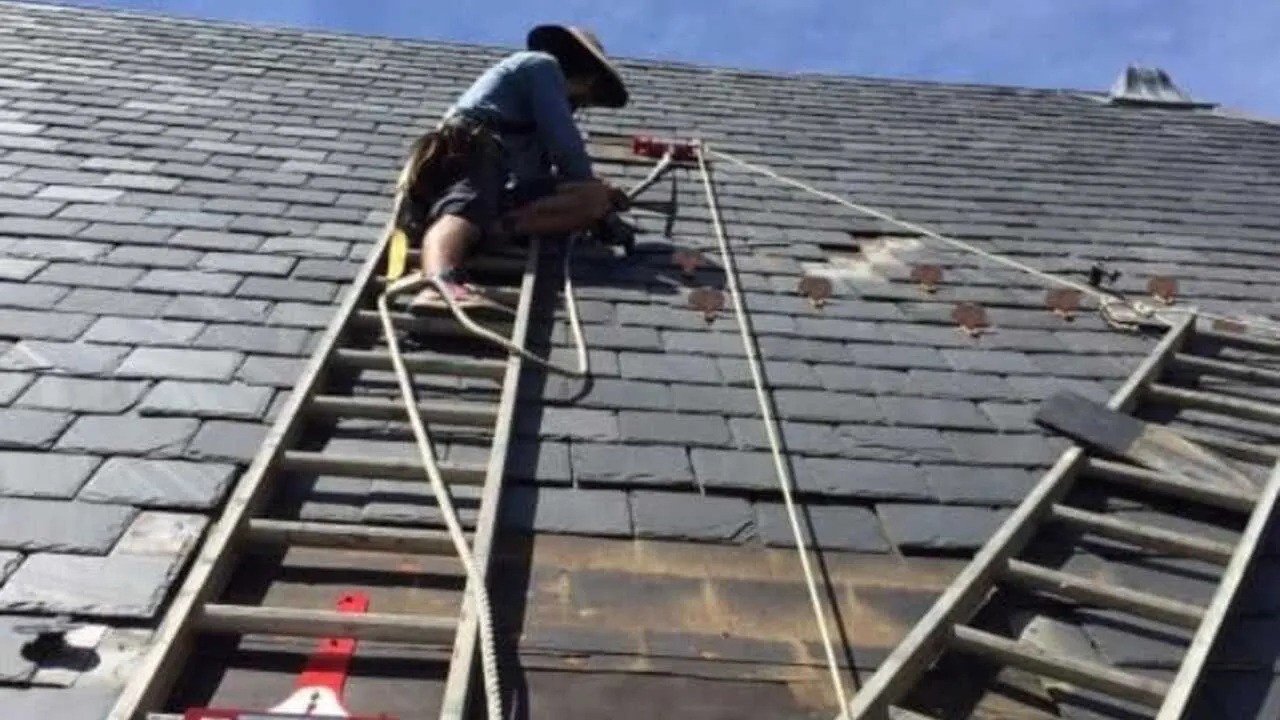
You would think that the spot where your roof meets your gutters would be the most reinforced part of your home. It is the finish line for every drop of rain that hits your shingles. However, this specific intersection is actually one of the most common places for a house to fall apart. If you are looking for a roof repair layton service to fix a mysterious leak, there is a very high probability that the culprit is hiding right here in this transition zone. It is a high-stress area that deals with constant water volume and heavy debris.
The Problem With The Drip Edge
Most people assume that gravity does all the work when it comes to moving water. You think the water just rolls off the shingle and falls straight into the trough. That is not always how physics works. Water has a tendency to curl backward due to surface tension. This is known as capillary action. If your roof does not have a properly installed drip edge, that water will actually travel underneath the shingles and soak into the wooden fascia board. Over time, that wood will rot until it becomes soft like a sponge. Once the wood is compromised, the nails holding your gutters up will start to pull out because they have nothing solid to bite into anymore.
Flashing Failures and Shortcomings
Flashing is the unsung hero of your roof, but it is also the most likely component to be installed incorrectly. In the transition area between the roof deck and the gutter system, flashing needs to be tucked perfectly to ensure water cannot find a way behind the metal. Many builders or DIY enthusiasts try to cut corners by using cheap sealants or caulking instead of metal flashing. While caulk works for a season or two, the constant expansion and contraction of your home will eventually crack that seal. Once a gap opens up, water will seep behind the gutter and run down the side of your siding. This leads to those ugly dark streaks on your exterior walls and eventually causes foundation issues if the water pools at the base of the house.
Shingle Overhang Issues
There is a very fine line when it comes to how far your shingles should hang over the edge of the roof. If they are too short, the water will run down the face of the fascia. If they are too long, they will actually catch the wind and eventually snap off. Ideally, you want about an inch of overhang. When shingles are cut too short, the water does not clear the roof line effectively. It ends up dripping behind the gutter rather than into it. This is a subtle failure point that many homeowners miss until they see their paint peeling or notice a damp smell in the attic. It seems like a small detail, but those few fractions of an inch make the difference between a dry home and a massive repair bill.
The Weight of Clogged Gutters
Gutters are designed to carry water, not wet leaves and sludge. When gutters get backed up, the water has nowhere to go but up. It pools against the edge of the roof and starts to work its way under the bottom row of shingles. This is especially dangerous in the winter when that standing water freezes. Ice dams form and push their way upward, lifting shingles and tearing at the underlayment. The weight of a clogged gutter also puts immense physical strain on the transition point. A gutter filled with wet debris can weigh hundreds of pounds. This weight pulls on the roof line and creates gaps that allow moisture to enter the structure of your home.
Final Word
Ignoring the health of your roof-to-gutter transition is a recipe for expensive structural damage. It is a complex area where different materials meet, and it requires precision to keep the elements out. If you suspect that your home is suffering from these common issues, reaching out to a professional roof repair service in Layton is the smartest move you can make. Staying proactive with inspections and cleaning will save you from the headache of a full roof replacement down the road. Take care of that transition zone, and it will take care of the rest of your house. For more information, visit our website.