
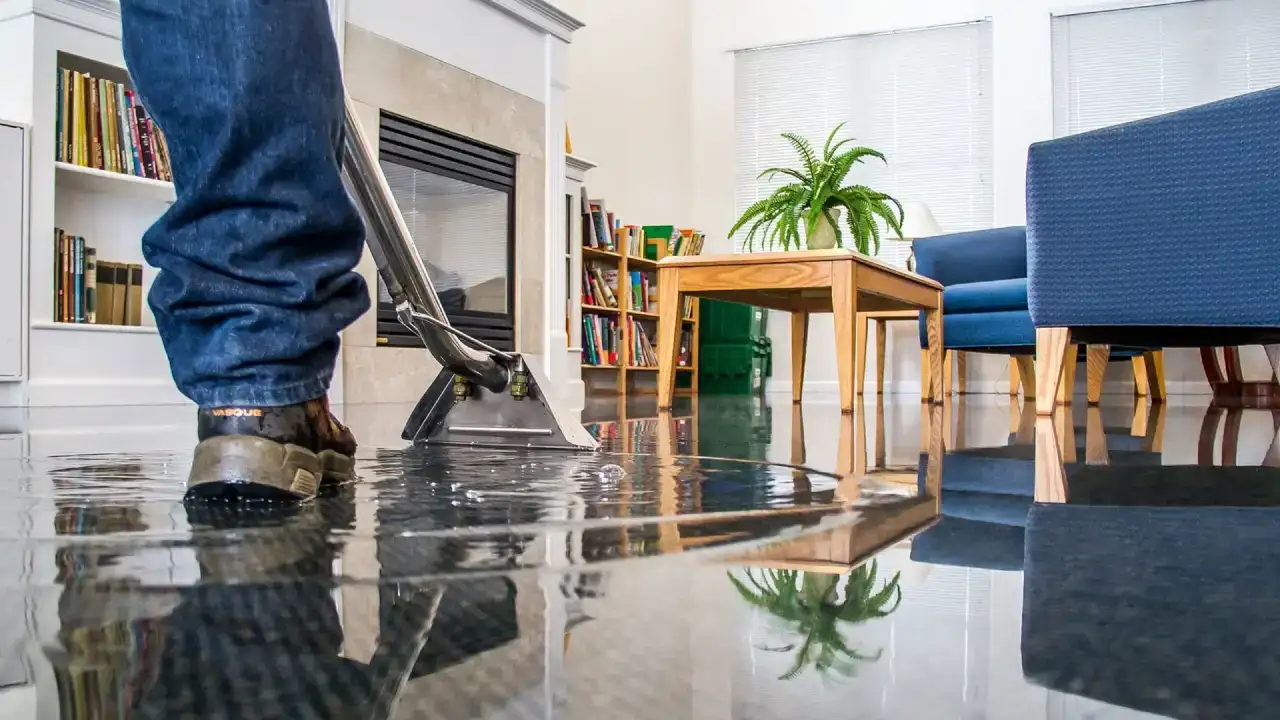
You probably don’t daydream about burst pipes or soggy carpet, yet the problems they cause can open surprisingly stable career paths.
When summer storms flood Brisbane homes, professional crews step in to dry out the mess, and every role from entry-level technician to senior project manager matters.
As you explore the industry, consider how your problem-solving instincts could fit alongside dehumidifiers, moisture meters and compassion for anxious homeowners.
Restoration Technician Overview
The water-damage restoration field welcomes motivated problem-solvers who enjoy hands-on work, modern technology and customer care. In this overview, you will see where beginners fit and how careers unfold.
Teams such as Water Damage Specialist illustrate how coordinated technicians, estimators and managers bring flooded buildings back to pre-loss condition.
What a Restoration Technician Does
Your day starts by inspecting damaged structures, measuring moisture and deciding what materials can be dried, cleaned or replaced. Clear documentation keeps insurance partners and owners confident.
Why the Role Matters
Disasters interrupt families and businesses. Swift, science-based restoration minimizes secondary damage, speeds reopening and protects public health, making technicians quietly indispensable to every community.
Industry Snapshot
The inspection, cleaning and restoration industry has expanded for more than a decade, driven by climate-related storms, aging infrastructure and increased insurance awareness. The U.S. Bureau of Labor Statistics groups these jobs within the “construction and extraction” family and projects steady demand through 2030.
Core Duties Explained
Beyond drying wet carpets, you serve as detective, craftsman and communicator. Mastering the core duties below builds trust, efficiency and professional credibility from your first project.
Damage Assessment
You use moisture meters, thermal cameras and visual cues to categorize a water, smoke or microbial loss, then produce an itemized scope that meets IICRC S500 and OSHA guidelines.
Mitigation and Cleanup
Rapid water extraction, controlled demolition, debris removal and antimicrobial application stop ongoing deterioration and create a safe work environment for reconstruction teams.
Structural Drying
Calculating psychrometrics, you position air movers and dehumidifiers for balanced humidity, temperature and airflow until materials reach documented dry standards.
Client & Insurance Communication
Frequent progress updates, digital photos and moisture logs keep adjusters informed, speed approvals and reassure anxious homeowners during stressful times.
Typical Work Conditions
Restoration is not a desk job, and understanding the physical environment helps you prepare mentally and physically for success and safety every shift.
- Variable Sites: Homes, schools, factories and hospitals all present unique layouts, hazards and occupants that require adaptable safety plans.
- Unstable Structures: Wet drywall, compromised roofs or soot-weakened framing demand constant awareness and personal protective equipment compliance.
- Environmental Extremes: You may sweat in flooded crawlspaces or brave winter temperatures while venting smoke-damaged attics.
- Odors and Contaminants: Mold spores, sewage bacteria and fire residues necessitate respirators, gloves and decontamination protocols after leaving the site.
- Noise and Vibration: Extractors, HEPA vacuums, generators and demolition tools operate simultaneously, so hearing protection is routine.
Embracing these realities early reduces burnout, fosters teamwork and promotes a healthy respect for ever-changing job-site dynamics.
Common Shift Patterns
Disasters ignore business hours. Knowing typical schedules lets you balance personal life with the on-call demands inherent to emergency response work.
- Standard Day Crew: Monday through Friday, eight-hour shifts handle scheduled mitigation, monitoring and reconstruction support for less urgent projects.
- 24-Hour On-Call Rotation: Technicians share weekly duty phones, guaranteeing clients rapid response within 60 minutes, regardless of hour or holiday.
- Catastrophe Teams: During regional floods or hurricanes, crews deploy for two- to three-week stints, working 12-hour shifts until stabilization goals are reached.
- Weekend Overflow: Saturday crews finalize drying jobs and perform equipment pickups so weekday teams start fresh loads Monday morning.
- Flexible Part-Time: Some companies offer evening monitoring routes, perfect for students earning certifications while gaining field experience.
Discuss expectations during interviews to ensure the company’s scheduling philosophy aligns with your lifestyle and long-term career ambitions.
Specialization Options Available
Once you master fundamentals, branching into specialties boosts earning potential and keeps daily tasks fresh. The industry offers numerous focused paths.
Water Mitigation Specialist
You refine extraction techniques, map moisture and design complex drying chambers, becoming your team’s go-to resource for large-scale category-three events.
Fire and Smoke Restorer
Expertise in soot chemistry, odor neutralization and contents cleaning makes you indispensable after residential fires and commercial kitchen flare-ups.
Applied Microbial Remediator
With AMRT certification, you contain, remove and prevent dangerous mold or sewage contaminants, safeguarding occupant health and building integrity.
Trauma and Biohazard Technician
Special training prepares you to discreetly decontaminate crime scenes or unattended deaths, following strict EPA and local disposal regulations.
Commercial Drying Specialist
You coordinate multi-story projects, integrate building automation data and manage temporary climate control on massive losses such as hospitals or data centers.
Essential Skill Set
Technical knowledge alone will not guarantee success. The following skills create well-rounded professionals who thrive under pressure and deliver consistent results.
- Equipment Mastery: Confidently operate desiccant dehumidifiers, negative-air scrubbers and injection systems without constant supervision.
- Critical Thinking: Unexpected findings demand swift adjustments to drying goals, material removal and manpower deployment.
- Customer Empathy: Active listening and calm reassurance turn traumatized owners into enthusiastic referral sources.
- Time Management: Juggling multiple jobs, reports and equipment deliveries requires disciplined scheduling habits and digital organization tools.
- Team Collaboration: Clear radio etiquette and shared accountability keep multi-trade projects on track and profitable.
Education and Training
Unlike many trades, restoration welcomes newcomers without apprenticeships, yet structured education accelerates advancement and pay. Plan your training roadmap deliberately.
High-School Foundations
Courses in chemistry, construction and computer applications build the scientific literacy and documentation fluency required for confident field decisions.
Vocational Programs
Community colleges and trade schools offer building technology certificates covering blueprint reading, safety and tool usage applicable to mitigation tasks.
IICRC Entry-Level Courses
The Water Damage Restoration Technician (WRT) class provides essential theory, category identification and calculation skills in either livestream or classroom format.
Hands-On Flood Houses
Immersive campuses let you practice structural drying in controlled real-world simulations.
Continuing Education
Annual CE credits, manufacturer webinars and regional expos keep you current on evolving standards, equipment innovations and legal requirements.
Certification Pathway Guide
Certifications validate competence and unlock higher pay scales. Follow the pathway below to move from novice to industry master with confidence.
WRT – Your First Credential
Covering water categories, psychrometrics and safety, WRT is the minimum standard many employers require before allowing independent field assignments.
ASD – Applied Structural Drying
An advanced course pairs theory with live-flood structures, teaching airflow calculations, heated drying and documentation required on complex commercial claims.
Specialty Add-Ons
Odor Control, Fire and Smoke, and Trauma Scene certifications expand service offerings, boosting revenue during seasonal lulls and catastrophe deployments.
Master Restorer Designation
Accumulating required credits across water, fire and microbial courses earns the prestigious IICRC Master status, recognized globally by insurers and facility managers.
Finding Classes
The IICRC certification locator and providers such as RestoreTech360 list livestream and in-person dates, pricing and prerequisites for each credential.
Entry Requirements Checklist
Before sending that application, confirm you meet baseline expectations most restoration employers list. Checking these boxes streamlines interviews and onboarding.
- Legal Driver’s License: Crews mobilize rapidly, so reliable transportation and clean records are non-negotiable for insurance compliance.
- Physical Capability: Lifting 50 pounds, crawling attics and standing extended hours are daily realities you must comfortably handle.
- Background Screening: Residential work requires trust; many companies conduct criminal and drug checks to protect clients and reputations.
- Basic Tool Familiarity: Knowing how to safely use saws, meters and hand tools reduces training time and prevents costly mistakes.
- Availability for On-Call: Flexible scheduling shows commitment to emergency service culture and customer expectations.
Advancement and Growth
Career momentum in restoration is driven by skill depth, leadership and networking. The following milestones outline a typical upward trajectory for ambitious technicians.
Lead Technician
After two to three years, you run small jobs solo, mentor new hires and influence equipment choices, often earning performance bonuses or commission.
Project Manager
Estimating software proficiency, budgeting and client negotiation skills let you oversee multiple crews, push customer satisfaction and maximize profit margins.
Operations or Branch Manager
With five-plus years of field experience and supervisory success, you manage staffing, fleet logistics and regional marketing plans for multimillion-dollar offices.
Entrepreneurship
Many veterans launch franchises or independent firms, leveraging industry contacts, certifications and reputations to capture local market share and long-term equity.
Industry Educator or Consultant
Master Restorers frequently teach, write standards or advise carriers, sharing expertise while enjoying flexible schedules and diverse revenue streams. According to salary data on IICRC’s career portal, these senior roles can surpass six-figure earnings.
Decide Your Path
By now, you understand where an entry role can lead, what skills matter and how certifications unlock promotion. Your next step is simple: observe real teams at work. Reviewing the daily routines of the water damage restoration experts will clarify jobsite realities and confirm whether you’re ready to start the journey.