
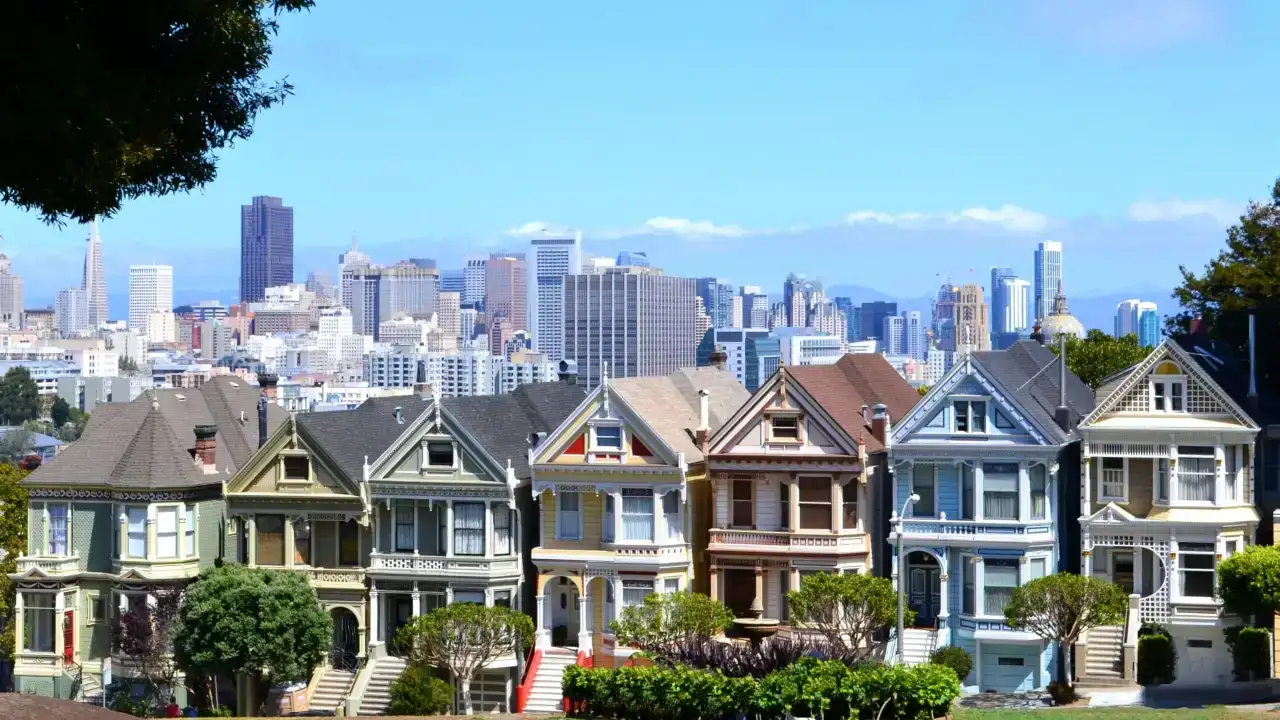
Something remarkable happens when you build two homes where one used to stand. The change isn’t just architectural or economic. It’s deeply human. While most people focus on square footage and rental income, there’s a quieter revolution taking place in neighborhoods where duplex construction is transforming how strangers become neighbors, and neighbors become communities.
The Invisible Architecture of Connection
Traditional suburban planning kept families separate. Large lots, tall fences, and attached garages meant you could live next to someone for years without learning their name. Duplexes flip this script entirely. When two households share a wall, a property line, and often a driveway, anonymity becomes almost impossible.
This forced proximity might sound uncomfortable, but it’s creating something unexpected. Residents in duplex communities report higher rates of neighborhood engagement, more frequent social interactions, and stronger support networks than their single-family counterparts. The reason is simple: you can’t ignore someone whose kitchen is fifteen feet from yours.
Breaking the Isolation Epidemic
Modern society faces a loneliness crisis that public health experts now consider as dangerous as smoking. Social isolation affects mental health, physical wellbeing, and even life expectancy. Meanwhile, duplex builders Sydney and elsewhere are inadvertently creating an antidote through thoughtful design.
The shared spaces in duplex developments become natural gathering points. A common garden area, a shared driveway, or even just adjacent front porches create opportunities for casual encounters. These brief interactions accumulate over time, building familiarity and trust. Research shows that people with regular casual social contact report higher life satisfaction and lower stress levels.
What makes this powerful is its organic nature. Nobody forces residents to interact. The architecture simply makes connection easier than isolation, and humans naturally gravitate toward community when barriers are removed.
The Economics of Neighborliness
There’s a financial dimension to this social transformation that rarely gets discussed. When neighbors know each other, property values stabilize. Crime rates drop. Maintenance standards improve. People who feel invested in their community take better care of their surroundings.
Duplex residents often share resources in ways that single-family homeowners never consider. Tools get borrowed. Babysitting becomes reciprocal. Someone’s always available to accept a package or water plants during vacation. These small exchanges create economic efficiency while simultaneously strengthening social bonds.
This sharing economy extends beyond the immediate duplex. In neighborhoods with higher duplex density, residents organize tool libraries, coordinate bulk purchasing of landscaping supplies, and even share skills. A plumber in one unit might trade services with a carpenter next door. The financial benefits are real, but they’re secondary to the community resilience these relationships create.
Multigenerational Living Reinvented
Perhaps nowhere is the social benefit of duplexes more visible than in multigenerational family arrangements. Adult children can live next door to aging parents, maintaining independence while staying close enough for daily check-ins. Grandparents get easy access to grandchildren without sacrificing privacy. Young families receive built-in childcare support while older relatives benefit from knowing help is nearby.
This arrangement solves practical problems that plague modern families. Elderly parents can age in place with dignity rather than moving to institutional care. Young families reduce childcare costs dramatically. Everyone maintains their own space and autonomy while enjoying the security of family proximity.
The emotional benefits run even deeper. Children growing up with grandparents next door develop stronger family bonds and cultural continuity. Older adults stay mentally and physically active through regular interaction with younger family members. These arrangements create the village that everyone agrees it takes to raise a child, but that modern society has systematically dismantled.
Design That Encourages Humanity
Not all duplexes create community equally. The difference lies in intentional design choices that prioritize human connection over maximum square footage. Front porches instead of back decks. Shared gardens rather than individual yards. Windows that face common areas instead of walls that create privacy barriers.
Progressive builders are incorporating features specifically designed to foster neighborly interaction. Mailbox clusters that encourage conversation. Shared outdoor lighting that extends the usable day. Community composting stations that give residents a reason to step outside and chat. These small design choices compound into significant social outcomes.
The key is balance. Good duplex design creates opportunities for connection without forcing intimacy. Soundproofing ensures privacy when needed. Separate entrances maintain autonomy. The goal isn’t to eliminate boundaries but to make them permeable, allowing residents to choose their level of engagement while making connection the path of least resistance.
The Unexpected Social Safety Net
When people know their neighbors, communities become more resilient during crises. This became starkly visible during recent global challenges. Duplex residents checked on each other during lockdowns, shared supplies during shortages, and provided emotional support during isolation. Single-family neighborhoods often lacked these informal support systems.
This resilience extends to everyday challenges too. A neighbor notices when someone hasn’t been seen in a few days. Someone’s always available in an emergency. Parents feel safer letting children play outside when multiple adults are naturally keeping watch. These benefits can’t be purchased or manufactured. They emerge organically from the daily interactions that duplex living facilitates.
Building Tomorrow’s Communities Today
The conversation about housing typically focuses on affordability, density, and sustainability. These matters are important, but they miss something fundamental. Housing shapes how we live together, how we raise families, and how we age. Duplexes aren’t just an efficient use of land. They’re a blueprint for rebuilding the social fabric that modern development has gradually unraveled.
As more communities embrace duplex development, we’re witnessing a quiet transformation in how people experience neighborhood life. Strangers become familiar faces. Familiar faces become friends. Friends become the support system that everyone needs but few people have.
The neighborhood whisperers aren’t speaking loudly about revolution. They’re building it one shared wall at a time, proving that sometimes the best way to bring people together is simply to build homes that make connection easier than isolation. In doing so, they’re not just constructing duplexes. They’re reconstructing community itself.