
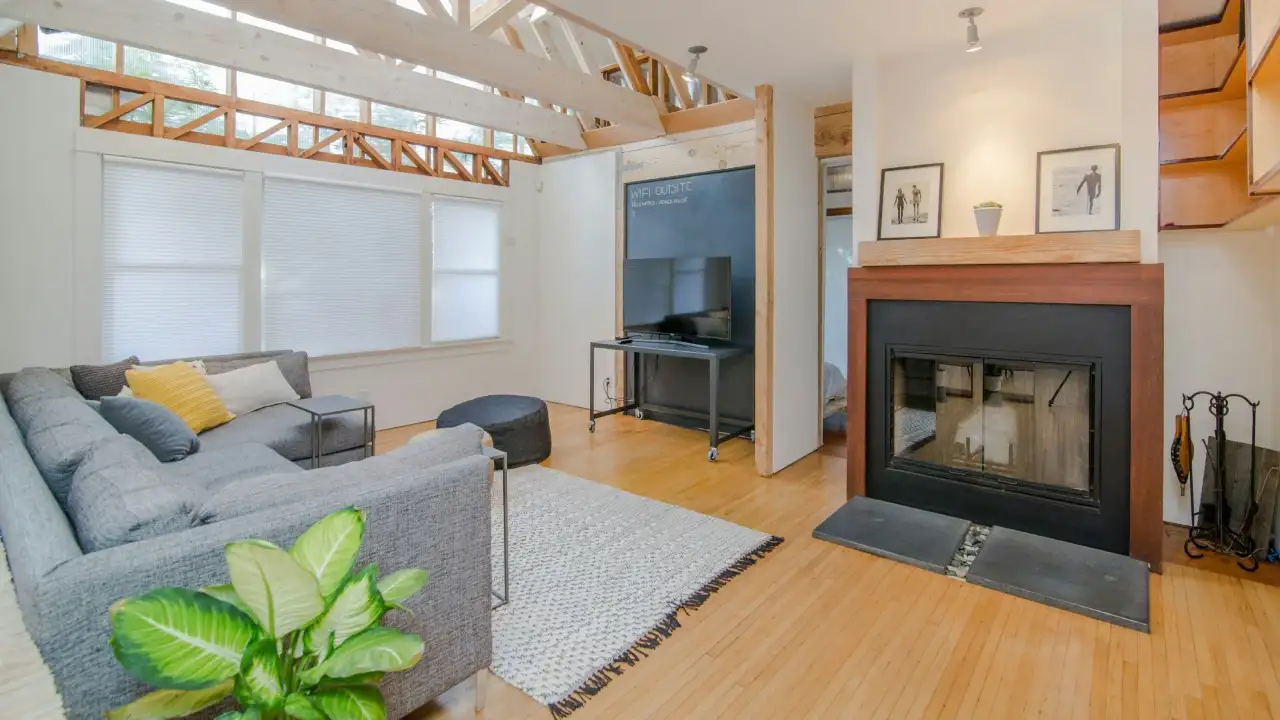
Designing a home isn’t just about how it looks on move-in day; it’s about how well it adapts as your life evolves. Careers shift, families grow, hobbies change, and your home should be able to keep up without requiring a full redesign every few years. A flexible and thoughtful approach to home design ensures that your space remains comfortable, functional, and personal throughout every stage.
Start With a Flexible Layout
A home that grows with you begins with adaptable spaces. Instead of assigning rigid purposes to every room, think in terms of potential. For example, a guest room today might become a home office or nursery tomorrow. Open-plan areas can be zoned using lighting, rugs, or furniture placement, allowing you to redefine spaces as your needs change.
Flexibility also means avoiding overly built-in solutions unless they truly serve long-term needs. Modular shelving, movable partitions, and furniture that can be rearranged provide you with the freedom to refresh your home without undergoing major renovations.
Choose Timeless Over Trend-Driven
Trends change often, but a solid foundation lasts. Neutral color palettes, classic materials, and clean lines make it easier to update a room with accessories rather than replacing major pieces.
When your base is timeless, you can layer in personality through artwork, cushions, throws, and decor that can be swapped out as your tastes evolve. This approach not only saves money over time but also prevents your home from feeling dated as trends shift.
Invest in Quality, Adaptable Furniture
Furniture plays a major role in how adaptable your home can be. Opt for pieces that serve multiple purposes or can transition across different life stages. For instance, a solid dining table can move with you from apartment to house, while a comfortable sofa can anchor multiple layouts.
Choosing well-made, versatile pieces, like furniture from Urban Interiors, also helps strike a balance between style and long-term usability. These types of foundational items can make it easier to rework a room without starting from scratch.
Design for Comfort and Daily Life
A home that grows with you must support how you actually live. Make sure to think about traffic flow, storage needs, and daily routines. Ample storage becomes increasingly important as life gets busier, while comfortable seating encourages rest and connection. Lighting is another factor to consider. Layered lighting, which includes accent, task, and ambient, allows a room to adapt from work mode to relaxation mode effortlessly.
Leave Room for Personal Growth
As your lifestyle changes, your interests and priorities will too. Leave visual and physical space for new hobbies, collections, or family milestones. Avoid overfilling shelves or walls so your home can evolve organically rather than feeling locked into a single version of yourself.
Personal growth should feel welcome in your home, not like an inconvenience that requires constant rearranging.
Endnote
Designing a home that grows with your lifestyle is about foresight, flexibility, and intention. By choosing adaptable layouts, timeless design elements, and quality furniture, you create a space that supports change rather than resists it. The goal isn’t perfection; it’s a home that feels right not only today, but for years to come.