
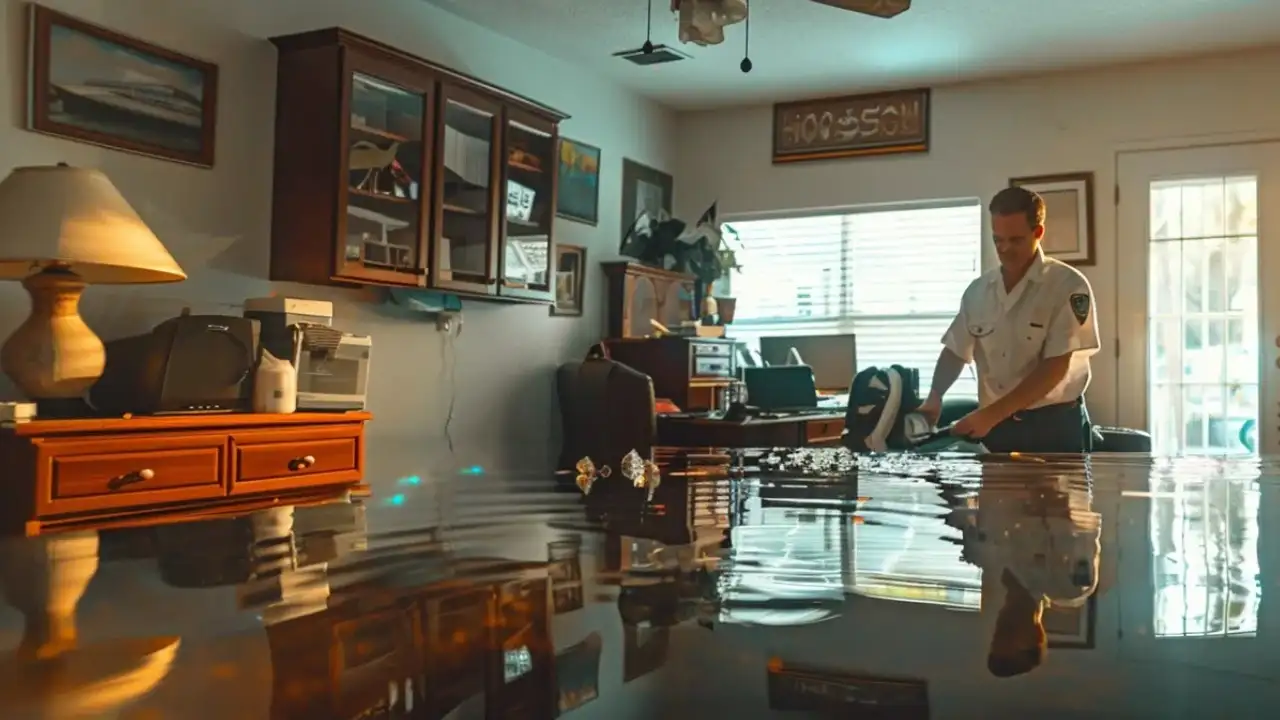
Water damage can wreak havoc on a home, causing costly and extensive repairs. In the United States alone, insurance claims for water damage average $10 billion annually. Dealing with water damage promptly can mitigate further destruction and save homeowners from expensive restoration bills.
Understanding the steps to take immediately after water damage occurs can empower homeowners to minimize the damage and restore their living spaces efficiently. Below, you’ll find an actionable guide to managing home water damage effectively.
Professional Water Damage Restoration Services Explained
Depending on the severity of the water damage, professional restoration services may be needed. These experts specialize in cleaning up after water damage, restoring homes to their pre-damage condition wherever possible.
Professional services often provide a comprehensive approach to water damage restoration. This typically includes water extraction, dehumidification, cleaning, and sanitization, as well as repairing or rebuilding damaged structures. Some services may also help navigate insurance claims and offer mold remediation.
When selecting a water damage restoration service, it’s important to choose a reputable company. Research local companies, check reviews, and confirm that they are licensed and insured. For instance, those requiring water damage restoration Orlando should look for services with a track record of reliable and effective restoration work in the area.
Assessing Home Water Damage Quickly
Time is of the essence when it comes to water damage, as mold can begin growing within 24 to 48 hours. Homeowners should first identify the source of the water and stop it to prevent further damage. This might be as simple as turning off the main water supply or as complex as repairing a damaged roof.
Once the flow of water has been halted, assess the extent of the damage. Homeowners should carefully examine walls, floors, and belongings for signs of water penetration and dampness. Electrical systems pose additional risks, so it is important to avoid areas where water meets electricity.
Documenting the damage thoroughly is crucial for insurance purposes. Take photographs or videos of all affected areas and list damaged items. Share these records with your insurance agent to support your claim for home repairs or replacements.
Steps to Mitigate Water Damage in Your Home

After assessing the situation, immediate steps must be taken to mitigate further damage. Start by removing as much water as possible, using pumps, wet/dry vacuums, or mops and buckets. For smaller, more localized flooding, towels and cloths can be effective.
Drying out the affected area is the next critical step. High-powered fans, dehumidifiers, and increased ventilation will help expedite this process. It’s important to remove wet items, such as rugs and furniture, to an area where they can dry without causing additional humidity.
If personal safety and the extent of damage allow, start salvaging valuables that can be restored. Non-porous items like plastic and metal can often be cleaned and disinfected. Always wear protective gear, such as gloves and masks, when handling contaminated water and materials.
Preventing Future Water Damage in Residential Areas
To prevent future occurrences, homeowners should be proactive in maintaining their residences. Regular inspections of roofs, pipes, and appliances can identify potential risks before they result in water damage.
Simple measures like cleaning gutters, installing water detection devices, and maintaining good drainage can vastly reduce the likelihood of water-related disasters. It’s also wise to familiarize oneself with the main water shut-off valve’s location to quickly halt water flow during a leak.
For areas prone to flooding, consider investing in waterproofing measures such as sealing basements, installing sump pumps, and using flood barriers. These steps can provide homeowners with peace of mind and save on future restoration costs.
Ultimately, swift and informed action is key to effectively managing home water damage. By quickly assessing damage, taking immediate mitigative steps, possibly seeking professional restoration services, and implementing preventative measures, homeowners can safeguard their property and finances against the perils of water damage. Proactive maintenance and preparedness are your best defense against the unpredictable nature of water-related incidents.