
Key Takeaways
- Start your inspection safely from the ground.
- Look for missing shingles, debris, and sagging areas.
- Check flashing and roof edges carefully.
- Inspect inside for water stains and attic moisture.
- Document all damage for insurance purposes.
- Call a professional for major or structural issues.
- Invest in maintenance to prepare for future hurricanes.
Tampa Bay faces powerful hurricanes almost every year, bringing strong winds, heavy rain, and flying debris. After a storm passes, inspecting your roof quickly is one of the most important steps you can take.
To inspect your roof after a Florida hurricane, start with a safe ground-level check, look for visible exterior damage, inspect inside for leaks, document everything, and contact Tampa Bay Roofing Services if you spot serious issues. Acting fast can prevent small storm damage from turning into expensive structural repairs.
Hurricanes can loosen shingles, damage flashing, and create hidden leaks. Some problems are obvious right away, while others take days or weeks to show up. That is why a careful inspection matters.
Here is how to do it safely and correctly.
Start With Safety First
Before you check anything, make sure the area is safe. Downed power lines, broken glass, and unstable debris can pose serious risks.
Avoid climbing onto your roof immediately after a hurricane. Surfaces may be wet, slippery, or weakened. Instead, begin your inspection from the ground using binoculars if needed.
If the damage looks severe, skip the DIY approach and call a professional right away.
Perform a Ground-Level Exterior Check
Next, walk slowly around your home and examine the roof from all angles.
Look for:
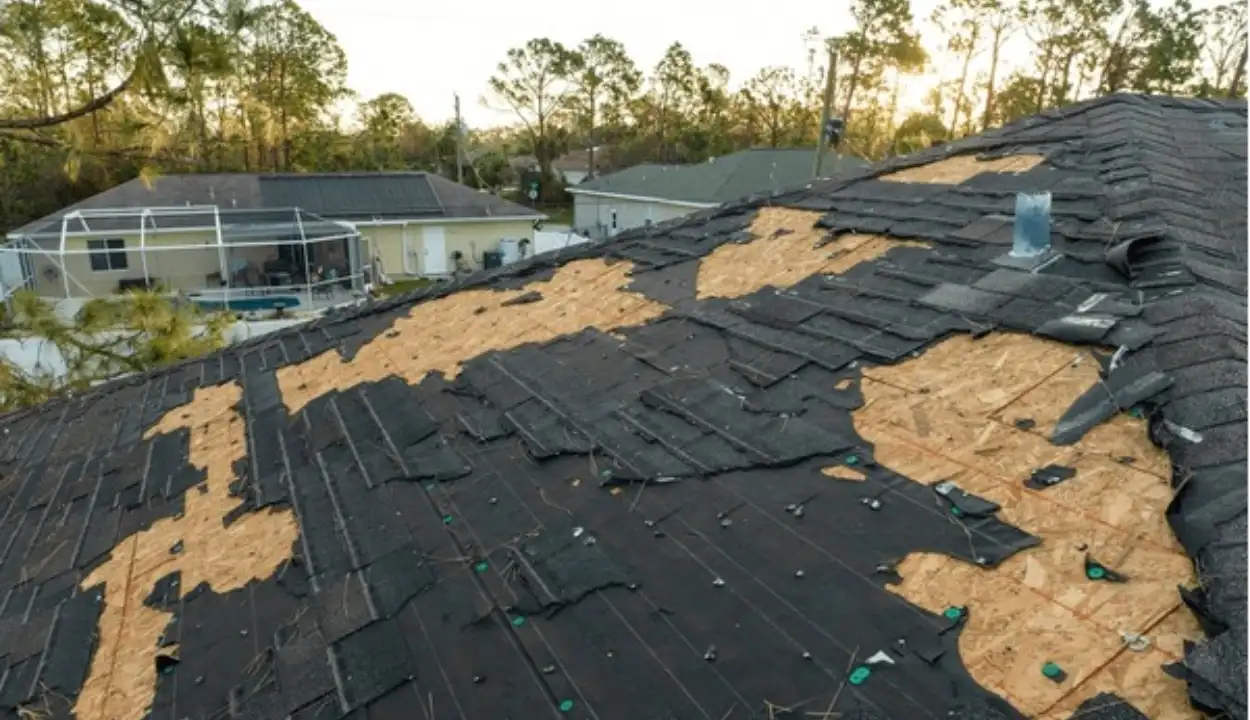
- Missing, cracked, or curled shingles
- Shingles scattered across your yard
- Dented or bent gutters
- Debris piled on the roof
- Sagging sections along the roofline
Even one missing shingle can expose your roof to water intrusion. Strong winds often lift shingles without completely tearing them off, which weakens their seal.
Take clear photos of anything unusual. Documentation is critical if you need to file an insurance claim.
Check the Roof Edges and Flashing
After your general exterior check, pay close attention to the edges of the roof. Hurricanes often damage fascia boards, soffits, and drip edges.
Flashing around chimneys, vents, and skylights is another vulnerable area. If flashing becomes loose or bent, water can enter your home during the next rainfall.
These areas may not look dramatic, but small failures here often lead to interior leaks.
Move Indoors to Look for Hidden Damage
Not all hurricane damage is visible outside. In fact, interior signs often reveal problems first.
Inside your home, check for:
- Water stains on ceilings
- Bubbling or peeling paint
- Damp drywall
- Dripping sounds
- Musty odors
If it is safe to access your attic, use a flashlight to inspect the underside of the roof decking. Look for wet insulation, dark spots, or small beams of sunlight coming through the roof boards.
Catching leaks early prevents mold growth and wood rot.
Document Everything for Insurance
Once you identify potential damage, organize your findings. Take multiple photos from different angles and write down the date of the storm and your observations.
Contact your insurance provider as soon as possible. Most policies have deadlines for storm-related claims.
Avoid making permanent repairs before an adjuster visits. However, temporary measures like placing a tarp over exposed areas can help prevent additional water damage.
Proper documentation makes the claims process smoother and protects your coverage.
Know When to Call a Professional
While small debris removal may be manageable, structural damage requires professional evaluation.
Signs you should call a roofing expert include:
- Large sections of missing shingles
- Noticeable sagging
- Active leaks
- Damaged flashing in multiple areas
Professionals can identify hidden issues that are easy to miss. They also provide detailed reports that support insurance claims and repair planning.
Waiting too long can make the damage worse and more expensive.
Prepare for the Next Storm
Finally, once repairs are complete, think about prevention. Hurricane season in Florida is not a one-time event.
Consider scheduling annual roof inspections, upgrading to hurricane-rated shingles, and trimming nearby trees. Preventative maintenance strengthens your roof before the next storm arrives.
Preparation reduces stress and protects your investment long-term.