
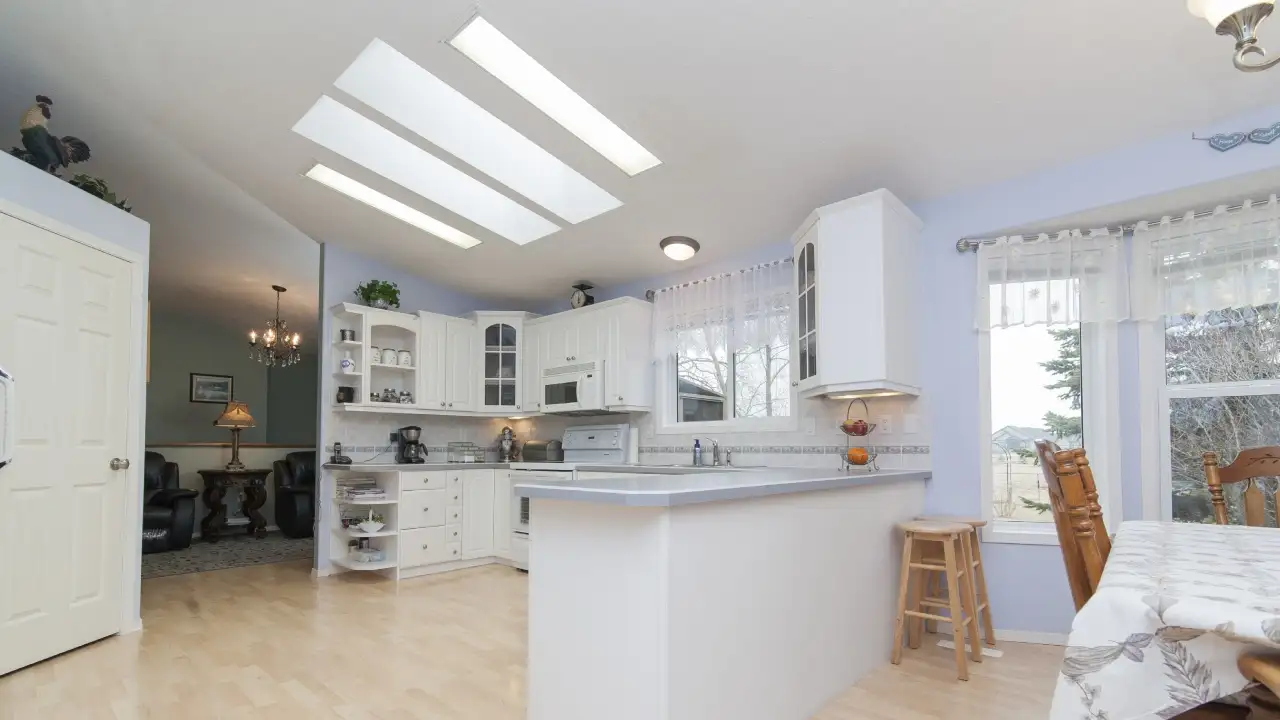
A small kitchen doesn’t have to feel cramped, cluttered, or limiting. In fact, some of the most functional and visually striking kitchens are designed within modest footprints. The key lies in planning, understanding how layout, storage, lighting, and material choices work together to create a sense of openness without sacrificing practicality.
If you’re thinking about improving a compact kitchen, these design lessons drawn from real remodeling projects can help you maximize both space and comfort.
1. Prioritize Flow Over Square Footage
One of the most common mistakes in small kitchens is focusing on size rather than movement. A kitchen that allows easy movement between the sink, stove, and refrigerator will always feel larger than one with poor circulation, even if the square footage is the same.
Streamlining walkways, avoiding oversized islands, and keeping key work zones close but unobstructed can dramatically improve how the space feels day to day. This is often one of the first considerations during professional Portland Kitchen Remodeling, where older homes frequently feature tight or outdated layouts.
2. Use Vertical Space Intentionally
When floor space is limited, vertical space becomes your greatest asset. Tall cabinetry, ceiling-height storage, and open shelving can add storage without visually overwhelming the room.
Design tip: combining closed cabinets on the lower half with lighter open shelving above helps maintain balance, keeping essentials hidden while allowing the space to breathe.
3. Let Light Do the Heavy Lifting
Lighting has a major impact on how large a kitchen feels. Small kitchens benefit from layered lighting that includes:
Under-cabinet lighting to eliminate shadows
Recessed ceiling lights for overall brightness
Accent lighting to add warmth and depth
Pairing good lighting with reflective surfaces, like glossy tile backsplashes or lighter countertops, helps bounce light around the room, instantly making it feel more open.
4. Choose Materials That Visually Expand the Space
Material selection isn’t just about style; it’s about perception. Lighter colors, subtle textures, and continuous surfaces can visually stretch a room.
Some proven choices include:
Light wood or soft neutral cabinetry
Quartz or solid-surface countertops with minimal pattern
Large-format tiles to reduce visual breaks
Keeping transitions clean and consistent helps the kitchen feel cohesive rather than segmented.
5. Build Storage Around How You Actually Cook
A small kitchen becomes frustrating when storage doesn’t match real habits. Instead of generic cabinets, smart remodels focus on customized storage solutions:
Pull-out pantry shelves
Deep drawers for pots and pans
Vertical dividers for trays and cutting boards
When everything has a purpose-built place, counters stay clear, and the kitchen instantly feels bigger.
6. Embrace Multi-Functional Features
In compact kitchens, every element should earn its place. A narrow island with seating, a counter that doubles as a prep area and dining space, or integrated appliances can reduce clutter while increasing usability.
The best designs aren’t about adding more; they’re about making each feature work harder.
Final Thoughts
Small kitchens present unique challenges, but they also offer an opportunity to design with intention. By focusing on flow, lighting, smart storage, and thoughtful material choices, homeowners can transform a limited space into a kitchen that feels open, functional, and welcoming.
Whether you’re planning a light refresh or a full remodel, applying these principles early can make all the difference, proving that a well-designed kitchen isn’t measured by size, but by how it works for everyday life.