
 By IKadverts
Decorating a home can feel expensive when every picture online shows a perfectly styled room. Use TheHomeTrotters.com home decor ideas for inspiration, not a shopping list. In reality, a welcoming space usually comes from a few thoughtful choices: furniture that fits, lighting that suits the activity, colours that work together, and objects that mean something to the people who live there. The best home decor ideas help you make your own rooms more comfortable, not pressure you to copy someone else’s style.
Start With the Way You Use Each Room
A room should support everyday life first. A living room used for movie nights needs comfortable seating and controlled glare. A room where children play may need easy-to-reach baskets and fabrics that can handle regular cleaning. A bedroom should leave enough space to get dressed and move around the bed.
Write down the room’s main activities before changing its layout. Thehometrotters .com home decor ideas work best when they fit real routines. Then measure the furniture and the walking routes. This small step can prevent a common mistake: buying a beautiful chair or table that leaves the room awkward to use.
Build a Color Scheme Around Your Existing Decor
You don’t need to choose every colour from scratch. Look at a rug, artwork, or cushion you already like and use it as the starting point. Pull one main shade from it, then select a quieter supporting colour and a smaller accent.
Warm white, beige, soft grey, and natural wood can provide a flexible base. Green, navy, rust, or mustard can add character through smaller items. Test paint samples on different walls and view them in morning and evening light; a shade can look quite different as the light changes.
Make Lighting Feel Comfortable
One ceiling light rarely works for every activity. A reading corner may need a floor lamp, while a desk needs focused light without glare. Soft bedside lighting creates a more relaxing atmosphere at night than a harsh ceiling light.
Try to create layers: general lighting for moving around, task lighting for reading or preparing food, and softer accent lighting for atmosphere. Choose bulbs for the fixture and task, and check the package for brightness and colour temperature. Warm-looking light often suits relaxing areas, while kitchens and workspaces may need clearer visibility.
Refresh the Living Room Without Replacing Everything
Begin with the largest pieces. Arrange seating so people can talk comfortably and leave a clear route to doors. A rug can define the seating area, but it should be large enough to relate to the furniture, not float like a small island in the middle of the floor.
If the room feels tired, try moving a side table, removing a few accessories, or changing cushion covers. Mix textures like cotton, wool, wood, and ceramic, but repeat one or two colours to keep the arrangement connected. Leave some open space on shelves and tables; not every surface needs decoration.
Make Bedrooms Restful and Kitchens Practical
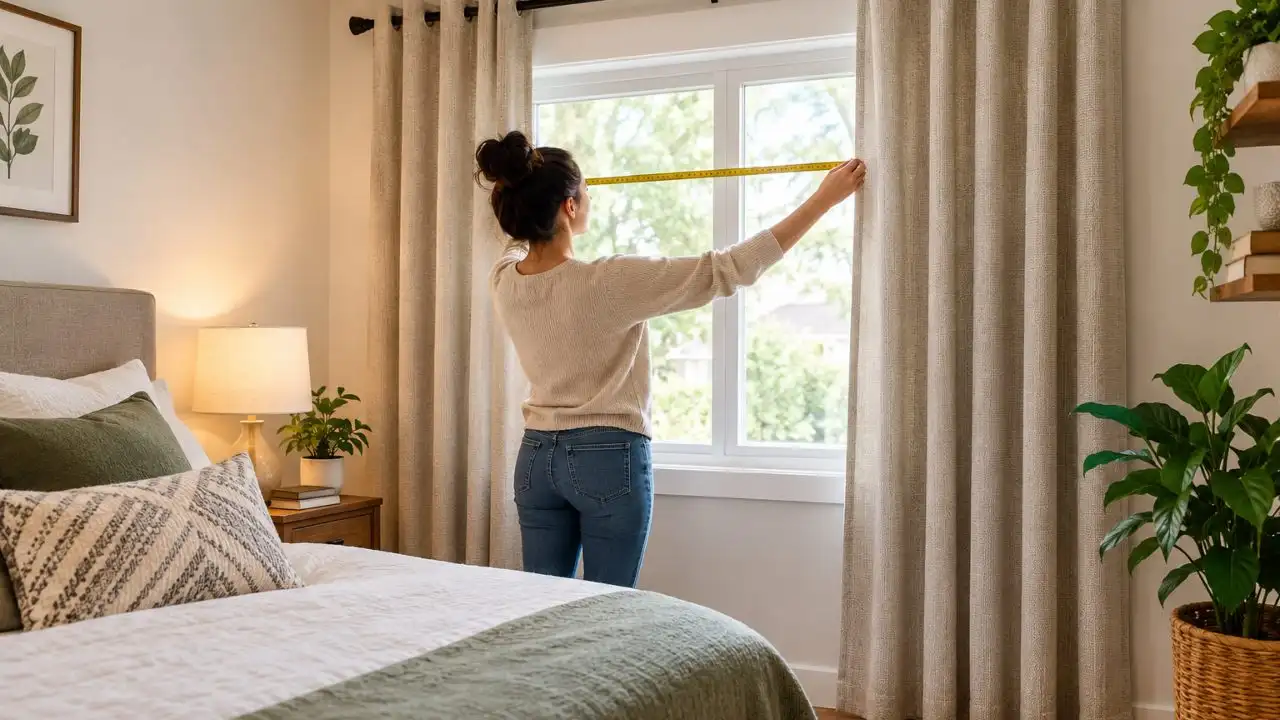
In a bedroom, start with the bed because it usually takes up the most visual space. Coordinated bedding, a useful bedside light, and clear surfaces can make the room feel settled. Select curtains based on how much natural light and privacy you want, and check your window measurements before making a purchase.
In kitchens, decoration should never take away the space needed for cooking. Display a few attractive bowls or jars if you use them often, but avoid filling every counter. A washable runner, a small plant placed away from heat, or updated cabinet hardware can add personality without making cleaning harder. Choose materials that suit the moisture, spills, and wear common in the room.
Add Personality With Plants, Art, and Meaningful Objects
A home feels more personal when it reflects the people who live there. Family photographs, favourite books, handmade pieces, and travel souvenirs can all have a place, but you don’t need to display them all at once. Rotate smaller objects occasionally so your favourite items get attention and shelves stay easy to dust.
Decorate on a Budget by Working in Order
A useful sequence can stop small purchases from turning into wasted money:
- Remove items you no longer use and rearrange what remains.
- Fix practical issues such as poor lighting, blocked paths, or missing storage.
- Choose a colour direction that matches your existing furniture.
- After measuring, add larger textiles, such as curtains or a rug.
- Finish with artwork and a few accessories.
Set a spending limit before shopping and compare measurements, cleaning needs, return policies, and material quality. A low price isn’t a bargain if an item doesn’t fit or is hard to maintain. For affordable inspiration, revisit thehometrotters .com home decor ideas before making final choices.
Common Decorating Mistakes to Avoid
Buying everything at once can leave a room looking coordinated but impersonal. Adding too many small objects can make even a large room feel busy. Choosing furniture based on appearance alone can create cramped walkways, and following a trend without considering your habits can lead to changes you soon regret.
Instead, make one or two changes and see how they work in daily use. The most successful thehometrotters.com home decor ideas aren’t strict rules; they are starting points you can adapt to your space, budget, and taste.
Create a Home That Works for You
A well-decorated home does not have to look staged or cost a fortune. Start with how you use each room, make the layout comfortable, improve lighting, and choose colours and objects that connect naturally. Spend on items that solve a real problem, and take your time with the finishing touches. When each decision has a purpose, your home can feel inviting, practical, and unmistakably yours.